
 Whatsapp
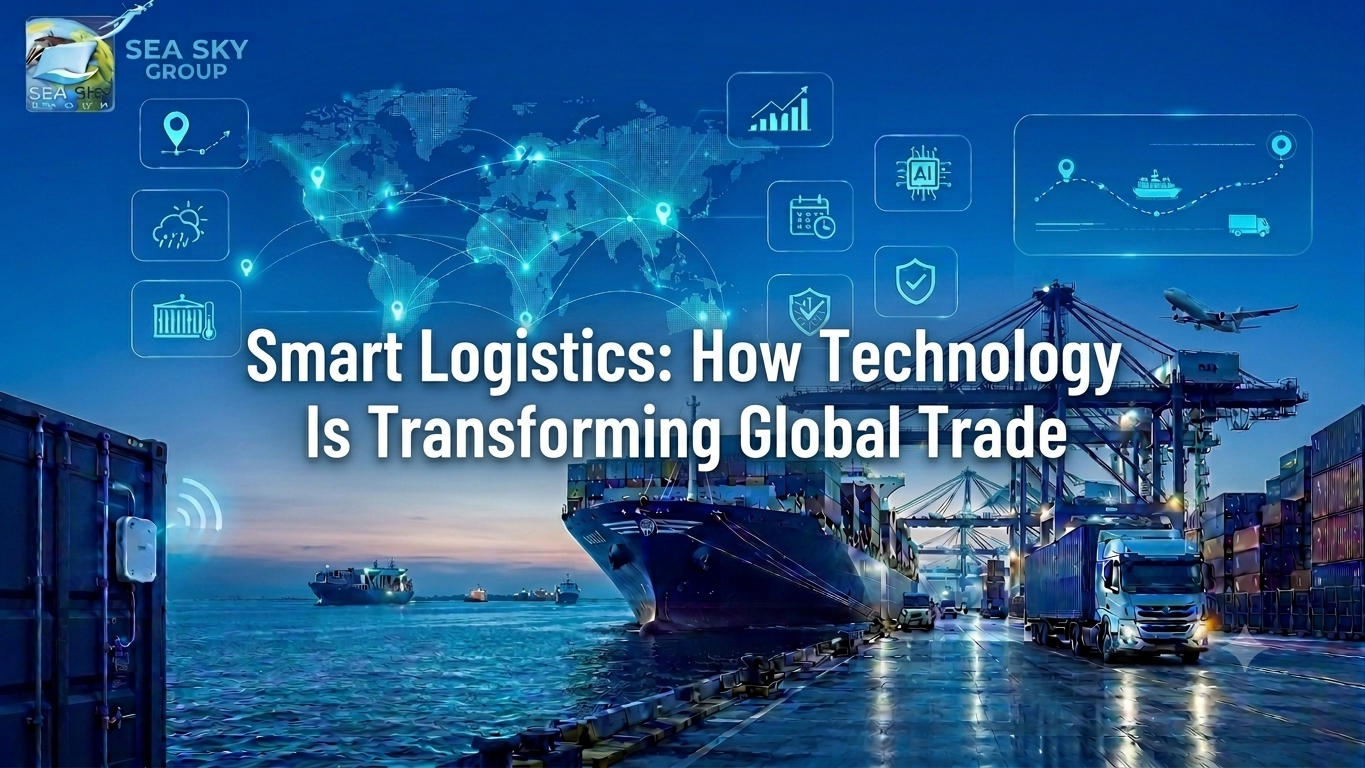
For years, shipment tracking has answered one simple question: “Where is my shipment?” Today, Artificial Intelligence is changing the question to something much more powerful: “What is likely to happen next?”
From Tracking to Intelligence
The logistics industry is moving beyond basic shipment visibility. AI, real-time data and predictive analytics are helping businesses understand potential disruptions, optimize operations and make smarter supply chain decisions.
This transformation is creating a new generation of shipment intelligence — where logistics systems don't just report what has happened, but help predict what could happen next.
1. Predicting Delays Before They Happen
Port congestion, weather conditions, vessel schedules, traffic and historical transit data can all influence delivery times. AI can analyse these factors together and identify patterns that may indicate a potential disruption.
Don't wait for a delay to happen.
Prepare for it before it happens.
2. Smarter Route Optimization
AI-powered route optimization can consider multiple factors, including transportation costs, fuel consumption, congestion, weather and carrier schedules.
This allows logistics teams to select not simply the shortest route, but the most efficient route for the situation.
3. Transforming Customs & Documentation
International trade involves large volumes of documentation, from commercial invoices and packing lists to bills of lading and regulatory information.
AI-powered systems can help extract information from documents, identify inconsistencies and streamline repetitive data-processing tasks.
- Faster document processing
- Reduced manual data entry
- Improved data accuracy
- Better visibility into trade information
- More efficient compliance workflows
4. The Rise of Smart Cargo
IoT-enabled sensors are making it possible to monitor cargo conditions in real time. Depending on the type of equipment, businesses can monitor information such as:
Location
Temperature
Humidity
Cargo Condition
When combined with AI, this data can help identify unusual conditions and potential risks before they become major problems.
5. Digital Twins: Seeing the Supply Chain Before It Happens
Digital Twin technology creates a virtual representation of a shipment, warehouse, port or supply chain. Businesses can use these digital models to explore different scenarios before making decisions in the real world.
What happens if a port becomes congested?
What happens if a vessel is delayed?
What happens if demand suddenly increases?
By simulating different situations digitally, businesses can prepare for potential challenges and make more informed decisions.
6. The Human + AI Future
AI is not replacing logistics expertise. Instead, it is strengthening it. Experienced logistics professionals bring industry knowledge, customer understanding and decision-making skills, while AI can process enormous amounts of data and identify patterns at incredible speed.
From Tracking to Predicting
The future of logistics isn't simply about knowing where cargo is. It is about predicting what happens next and acting before challenges become disruptions.
As AI, IoT, predictive analytics and automation continue to evolve, logistics is becoming more intelligent, proactive and connected.
“In modern logistics, visibility is no longer the destination.
Intelligence is.”
SeaSky Logistics
Moving Global Trade Towards a Smarter Future.